
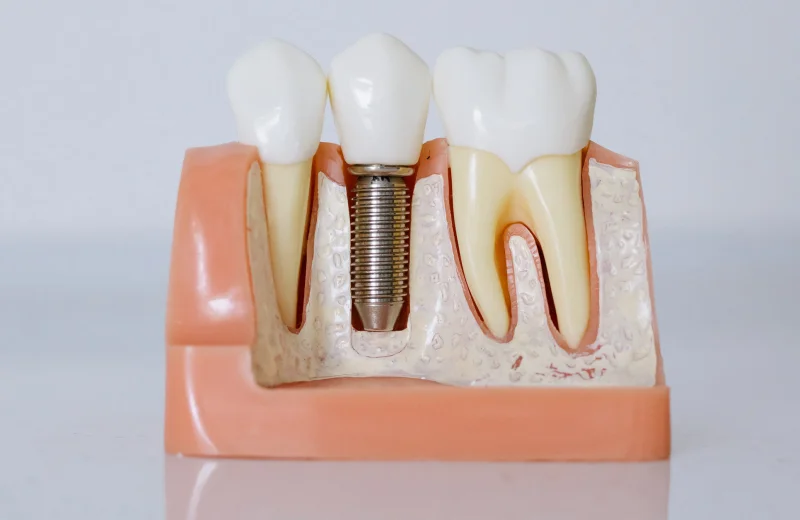
Getting dental implants is a life-changing step toward a perfect smile, but the first few days of recovery are crucial for long-term success. Discover our comprehensive guide on what to eat—and what to strictly avoid—to ensure a smooth, pain-free healing process and protect your new investment.
Congratulations on taking the first step toward a restored smile! Dental implant surgery is a significant investment in your health, and the “osseointegration” process (where the implant fuses to your bone) begins the moment you leave the chair. What you eat during the first 7–14 days plays a vital role in how quickly and successfully you heal.
Immediately following surgery, your mouth will be tender and likely still numb. Stick to cool liquids and avoid anything hot, as heat can increase swelling or disturb the surgical site.
Smoothies & Shakes: Packed with nutrients (but NEVER use a straw—the suction can dislodge the blood clot).
Chilled Soups: Gazpacho or lukewarm blended broths.
Greek Yogurt: High in protein to aid tissue repair.
Applesauce: A gentle way to get natural sugars and fiber.
Once the initial bleeding has stopped, you can move to “fork-tender” foods that require zero chewing.
Mashed Potatoes: Filling, soft, and easy to flavor.
Scrambled Eggs: An excellent, soft source of protein.
Oatmeal: Make sure it is cooked extra soft and eaten lukewarm.
Hummus & Avocado: Rich in healthy fats that support the immune system during recovery.
Flaky Fish: Salmon or white fish can be easily flaked with a fork and requires minimal effort to swallow.
Crunchy Foods: Chips, nuts, and popcorn can get lodged in the surgical site.
Sticky Foods: Caramel, taffy, or gum can pull on the healing area.
Acidic Foods: Oranges, tomatoes, and sodas can sting the raw tissue.
Spicy Foods: Can cause significant irritation and inflammation.
Small Seeds: Strawberries or poppy seeds can easily get stuck in stitches.
Drinking plenty of water is essential for flushing out bacteria and keeping your mouth clean. However, avoid carbonated drinks and caffeine for the first 48 hours, as they can interfere with the early stages of the healing process.
By the second week, you can usually begin eating “soft-solid” foods like pasta, cooked vegetables, and soft chicken. However, you should still avoid chewing directly on the implant site until your dentist gives you the “all-clear” at your follow-up appointment.
Every patient heals at a different pace. The most important rule is to listen to your body—if a food causes discomfort, stop eating it immediately. Proper nutrition today ensures a strong, beautiful smile for a lifetime.
Our team is here to support you every step of the way. If you experience unusual swelling or have questions about your diet, don’t hesitate to reach out.
We understand just how closely connected oral health is to your overall health, confidence, and appearance, and we pride ourselves on cultivating a friendly, upbeat dental environment where you can always feel comfortable in our care.